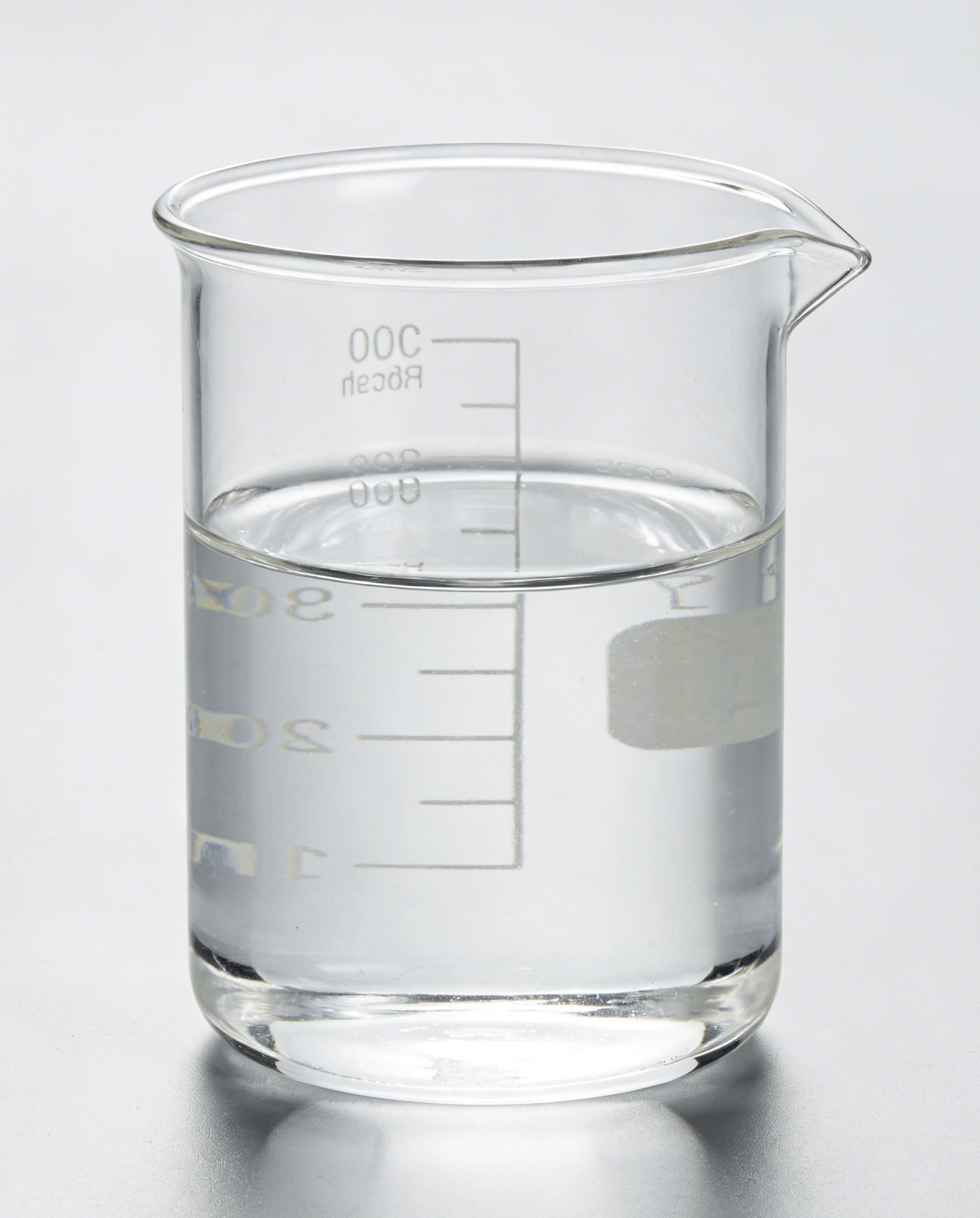
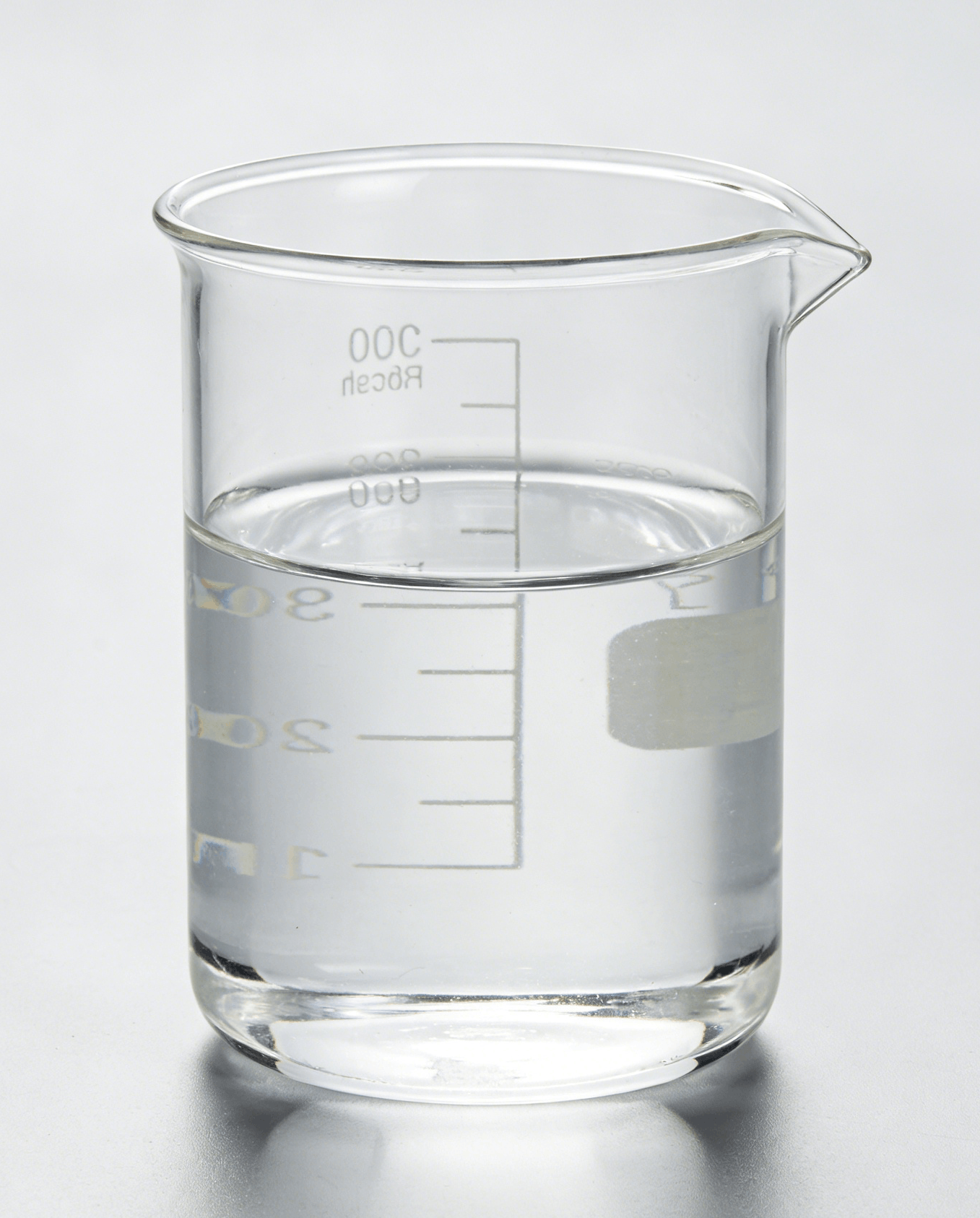
1,2-Propanediol(PG)
CAS number:57-55-6
Molecular formula:C₃H₈O₂
Product Alias:1,2-Propanediol、Methyl glycol、Propylene glycol 1,2
Propylene glycol (1,2-propylene glycol) is a non-toxic, odorless, and multifunctional diol. It possesses moisturizing, solubilizing, emulsifying, antifreeze, and lubricating properties, exhibits good chemical stability, and meets food, pharmaceutical, and daily chemical safety standards. It is a globally recognized green chemical raw material widely used in the daily chemical and cosmetic, food and beverage, pharmaceutical, chemical, rubber and plastics, and cold chain/antifreeze industries. Mainstream specifications are food-grade 99.5%, pharmaceutical-grade 99.8%, and industrial-grade 99%, with different purities to meet various application needs.
1. (Cosmetic & Daily Chemical Industry) Core application areas: Basic raw materials for skincare, makeup, and personal care products.
Moisturizers/Emollients: Used in face creams, lotions, hand creams, body lotions, etc., to absorb moisture from the air and lock in skin moisture, improving dryness and flaking, leaving a refreshing and non-sticky feel.
Solubilizers/Emulsifiers: Dissolve fragrances, essential oils, and fat-soluble active ingredients (such as vitamins), while improving the emulsification stability of lotion formulas and preventing separation.
Makeup/Personal Care Auxiliaries: Used as a moisturizing plasticizer in lipsticks and foundations to prevent the product from drying out; used as a moisturizing and conditioning agent in shampoos and conditioners to reduce dryness and frizz, and improve smoothness.
2. (Food & Beverage Industry)
Food-grade propylene glycol is an FDA/EFSA certified food additive with no consumption limit (for reasonable use).
Food humectant/anti-caking agent: Used in bread, pastries, mooncakes, and meat products to prevent food from drying out, hardening, and clumping, extending shelf life and improving the softness of baked goods.
Flavor/Color solvent: Dissolves food-grade fat-soluble flavors and colorants in beverages, dairy products, and confectionery, ensuring even dispersion of flavor and color.
Frozen food antifreeze agent: Used in ice cream, popsicles, and frozen foods to lower the freezing point, prevent the formation of large ice crystals during freezing, and maintain a smooth texture.
Food processing aid: Used as a release agent for pastries and a lubricant for canned goods, leaving no residue and not affecting food flavor.
3. (Pharmaceutical Industry) Pharmaceutical-grade propylene glycol is a pharmacopoeia-standard pharmaceutical excipient, suitable for oral, topical, and injectable formulations.
Drug Solvent/Solubilizer: Solubles lipid-soluble drugs (such as antibiotics, antipyretics, analgesics, and steroids), improves drug bioavailability, and is used in oral syrups, suspensions, and capsules;
Topical Formulation Matrix: A basic raw material for burn ointments, creams, and eye drops, acting as a moisturizer and transdermal penetration enhancer to help drugs penetrate the skin and soothe dryness of the affected area;
Injectable Excipient: Propylene glycol meeting injection-grade standards serves as a cosolvent and moisturizer in some injectable formulations, improving drug solution stability;
Pharmaceutical Packaging Additive: Used for modifying pharmaceutical plastic bottles and infusion tubing, improving the flexibility and low-temperature resistance of packaging materials.
4. (Chemical & Rubber-Plastic Industry)
Organic Synthetic Raw Materials: Core raw materials for the synthesis of propylene glycol esters, polyurethane (PU), and unsaturated polyester resins (UPR), used in the production of coatings, adhesives, and foamed plastics;
Coating/Ink Additives: Film-forming aids and antifreeze agents for water-based coatings and printing inks, improving the water resistance and scrub resistance of paint films and preventing coatings from freezing at low temperatures;
Rubber & Plastic Plasticizers/Softeners: Used in PVC and rubber products as auxiliary plasticizers, improving the flexibility and low-temperature resistance of soft plastics and rubber seals, with good compatibility.
5. (Cold Chain & Antifreeze Industry)
Industrial Antifreeze: Used in central air conditioning, industrial cooling systems, and automotive coolants. When used in combination with ethylene glycol, it lowers the freezing point, enhances antifreeze performance, and has lower corrosiveness to metal pipelines.
Cold Chain Logistics Additives: Used as refrigerants in food and pharmaceutical cold chains to stabilize low-temperature environments and prevent damage to cold chain equipment and goods due to freezing.
Chemical Antifreeze: Used in outdoor skincare products and hand sanitizers during winter to prevent freezing and delamination in low-temperature environments and maintain formula stability.
6. (Other Industrial & General Uses)
Tobacco Industry: Humidifier and plasticizer in cigarette filters, improving filter elasticity and formability while reducing the dryness after cigarette combustion;
Textile Industry: Fabric softener and antistatic agent, improving the softness and antistatic properties of cotton and synthetic fabrics, preventing pilling and lint buildup;
Metalworking: Lubricant and rust inhibitor in cutting fluids and wire drawing oils, improving lubrication and forming a protective film on metal surfaces for short-term rust prevention;
Chemicals & Cleaning: Antifreeze and solubilizer in laundry detergents, dishwashing liquids, and glass cleaners, preventing cleaning products from freezing at low temperatures and dissolving fragrances and active ingredients.
Application field
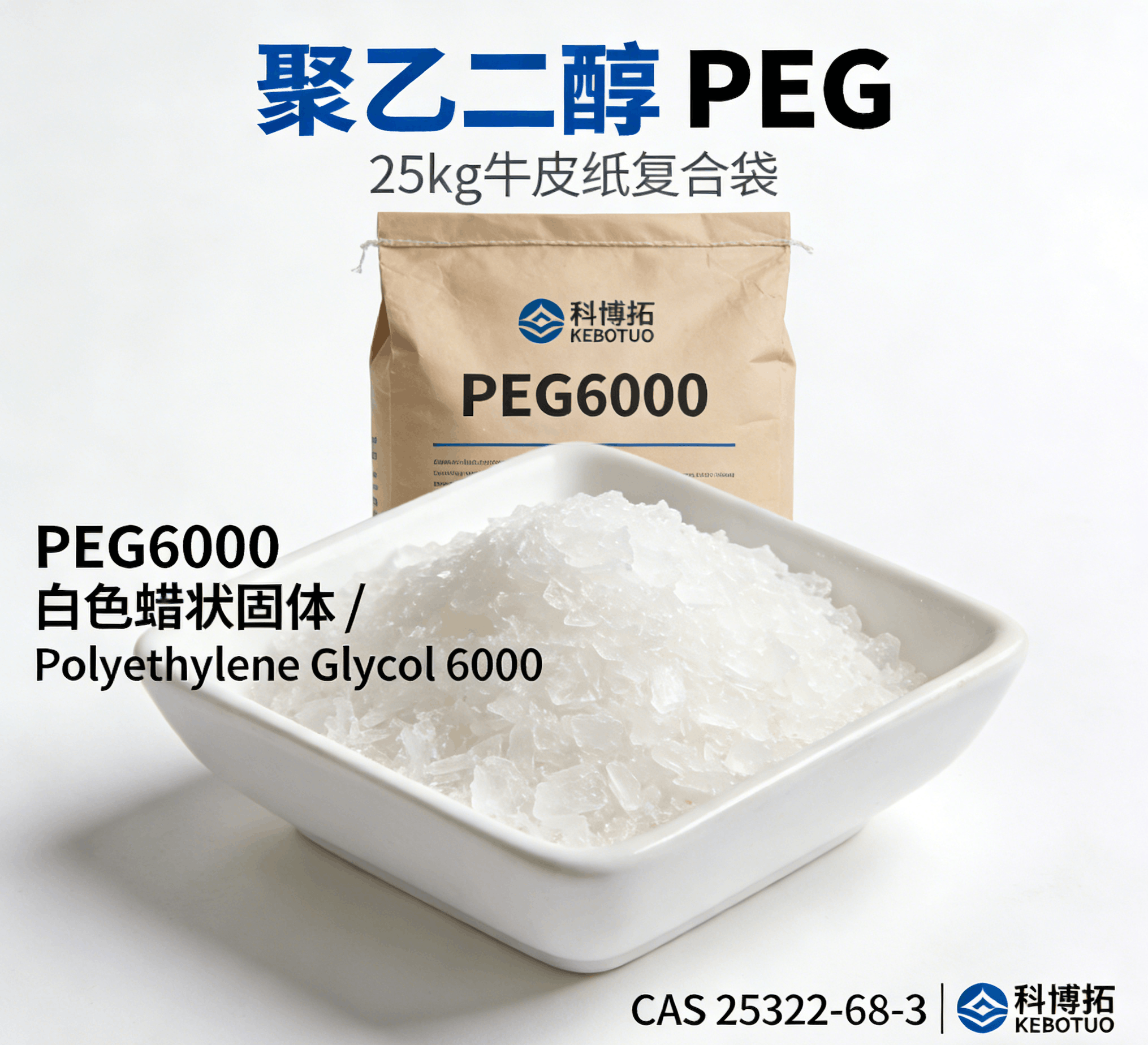
Polyethylene Glycol(PEG)
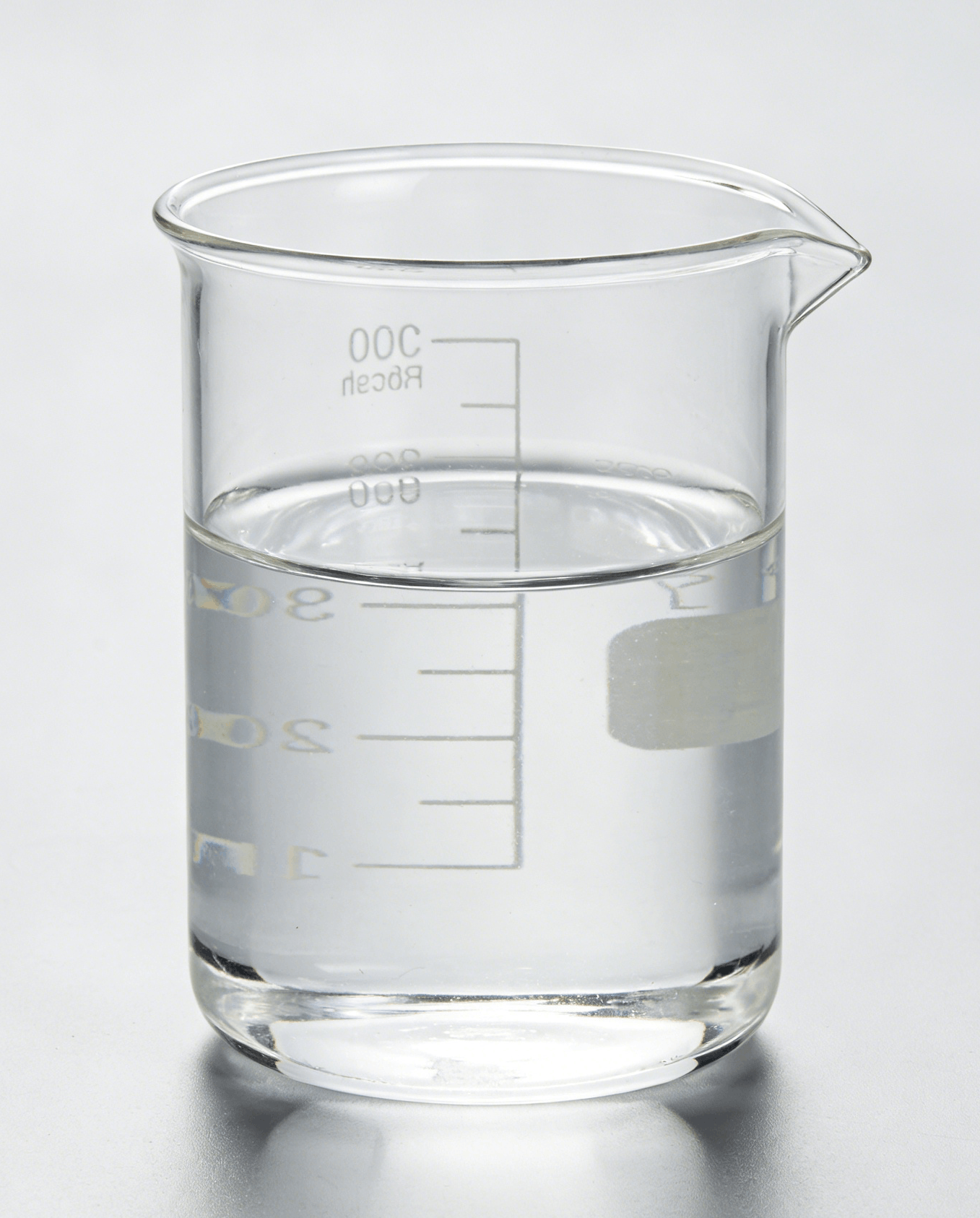
1,2-Propanediol(PG)
1,2-Propanediol(PG)