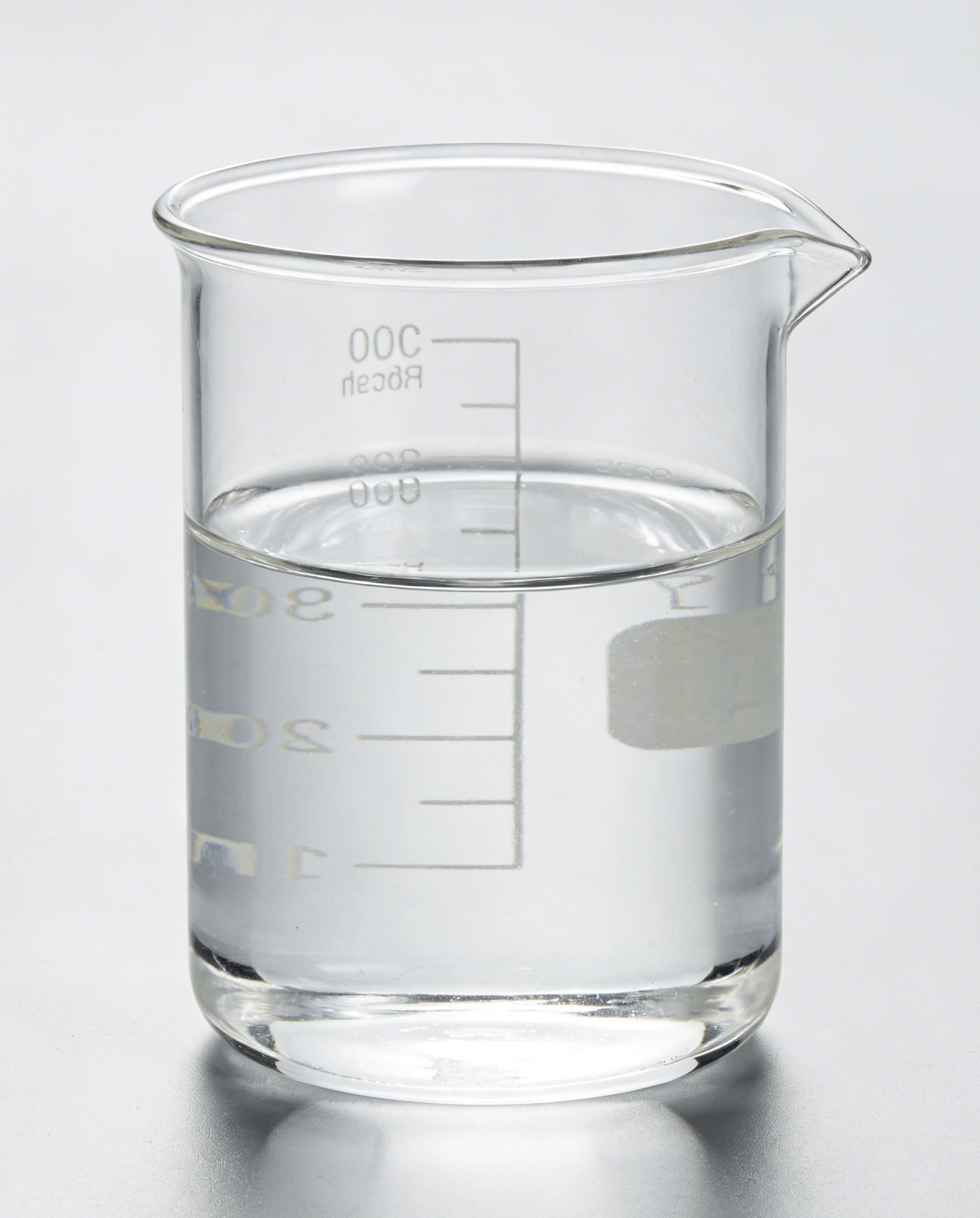
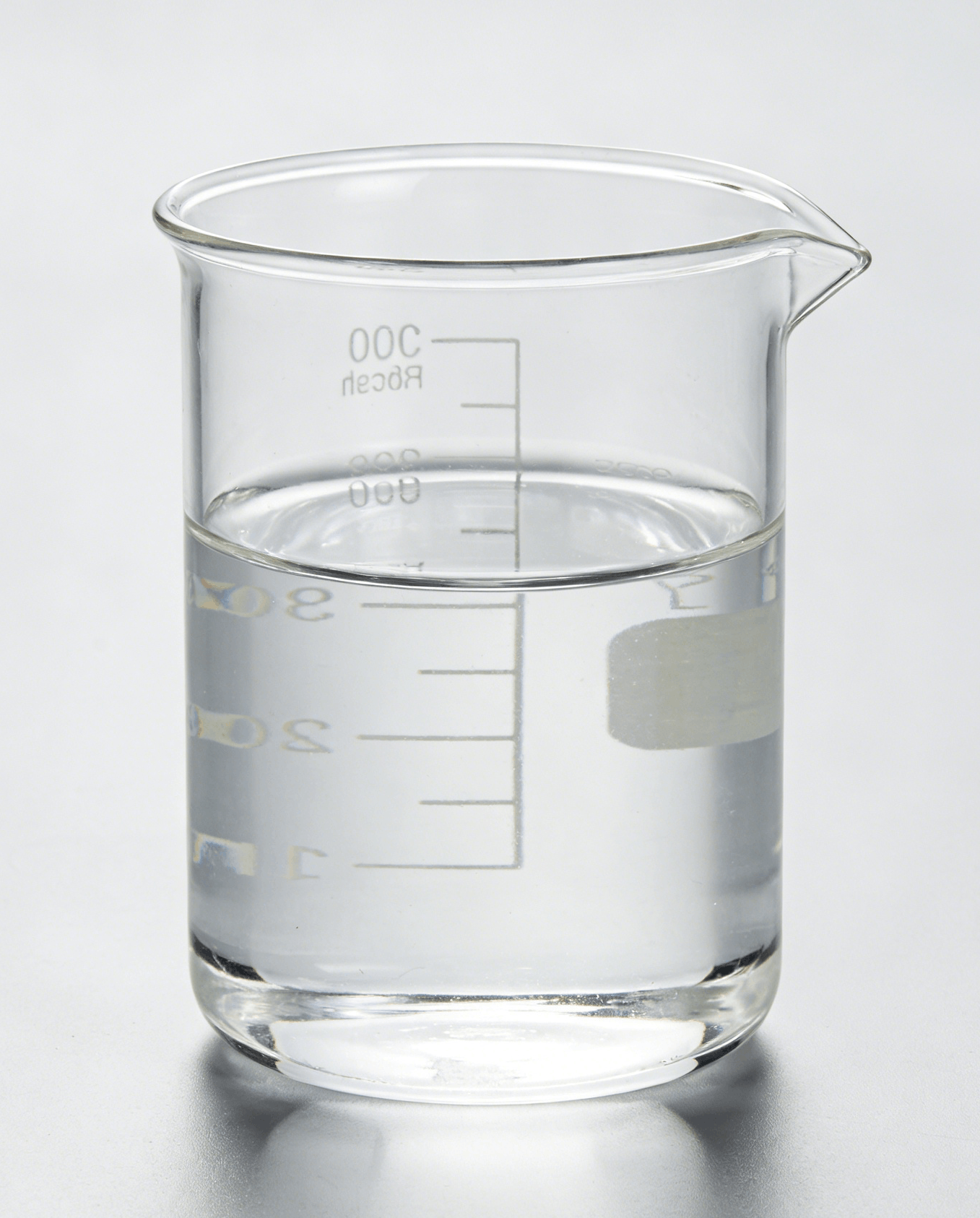
1,3-Propanediol (PDO)
CAS number:504-63-2
Molecular formula:C₃H₈O₂
Product Alias:1,3-Propanediol、1,3-Dihydroxypropane、Trimethylene glycol、PDO
1,3-Propylene glycol (PDO) is a high-performance, environmentally friendly diol with low volatility, high heat resistance, excellent film-forming properties, and compatibility. It is biodegradable, non-toxic, and compliant with regulations. Available in industrial, food, and pharmaceutical grades, it is widely used in polyester synthesis, daily chemical cosmetics, food and pharmaceutical industries, chemical raw materials, and textile coatings, making it a core raw material in high-end chemical fields.
1. Polyester Synthesis Industry: Core mainstream application, key raw material for high-end polyesters. Synthesis of polypropylene terephthalate (PTT): Copolymerized with terephthalic acid (PTA) to obtain PTT resin. PTT combines the rigidity of PET with the elasticity of nylon, exhibiting excellent wear resistance, wrinkle resistance, and resilience. It is used in the production of synthetic fiber fabrics, carpets, engineering plastics, and films, making it a preferred material in high-end textile and rubber and plastics fields.
2. Cosmetic & Daily Chemical Industry: A preferred raw material for high-end personal care, skincare, and makeup products, with superior performance compared to 1,2-propylene glycol.
Moisturizer/Emollient: Used in high-end face creams, serums, hand creams, and body lotions. Highly hygroscopic with low volatility, it locks in skin moisture for a long time, leaving a refreshing, non-sticky, and non-irritating feel, suitable for sensitive skin products.
Solubilizer/Stabilizer: Dissolves fragrances, essential oils, and fat-soluble active ingredients (such as vitamins and plant extracts), improving the stability of lotion and serum formulas, preventing separation, and resisting evaporation and deterioration at high temperatures.
Makeup/Personal Care Auxiliary Agent: Used as a moisturizing plasticizer in lipsticks and foundations to prevent dryness and flaking; used as a moisturizing conditioner in high-end shampoos and conditioners to improve hair smoothness and elasticity, reducing dryness and frizz.
3. Pharmaceutical & Food Industry
Food-grade/pharmaceutical-grade products comply with FDA/EFSA/USP pharmacopoeia standards, suitable for high-end compliant applications.
Food Additives: Used as humectants, anti-caking agents, and solvents in high-end baked goods, meat products, and frozen foods to prevent drying and hardening, extend shelf life, and have low volatility that does not affect food flavor; also used as solvents for food flavorings and colorings to make flavor and color more uniform.
Pharmaceutical Excipients: Used as drug solvents, solubilizers, and humectants to dissolve fat-soluble drugs, improve the stability of oral syrups, suspensions, and ointments, and are used in high-end topical and oral medications; also used as modifying raw materials for medical packaging materials and infusion tubing to improve the flexibility and biocompatibility of packaging materials.
4. Chemical Raw Materials & Organic Synthesis
Organic Synthesis Intermediates: Used in the synthesis of fine chemical products such as propylene glycol esters, polyethers, and glycol ethers. They are important raw materials for fragrances, dyes, pesticide adjuvants, and pharmaceutical intermediates.
Coating/Ink Additives: Used as film-forming aids and antifreeze agents in high-end water-based coatings, printing inks, and varnishes. They improve the smoothness, water resistance, and scrub resistance of the paint film, preventing freezing at low temperatures and yellowing at high temperatures.
Plastic Modification: Added as a modifier to plastics such as PP, PE, and ABS to improve the flexibility, low-temperature resistance, and antistatic properties of products. Suitable for the production of high-end antistatic plastics and medical plastics.
5. Textile & Leather Industry
Textile Coating/Finishing: Used for high-end waterproofing, softening, and wrinkle-resistant finishing of fabrics. Serves as a coating agent and softener raw material, improving the drape, resilience, and waterproofing of cotton, synthetic fibers, and high-end fabrics. Suitable for high-end apparel, home textiles, and industrial fabrics.
Leather Finishing: Serves as a high-end leather fatliquoring agent and finishing agent raw material. Penetrates leather fibers, improving the leather's softness, gloss, and abrasion resistance, preventing cracking. Suitable for processing genuine leather and high-end synthetic leather.
6. Other High-end Industrial Uses
Tobacco Industry: Humidifier and plasticizer for high-end cigarette filters; low volatility, improves filter elasticity and formability, and leaves no odor residue.
Electronics Industry: Solvent and additive for electronic-grade cleaning agents and photoresists; low impurities, high purity, suitable for precision machining of semiconductors and circuit boards.
Cold Chain/Antifreeze: Antifreeze for high-end daily chemical and pharmaceutical cold chains; lower freezing point, good thermal stability, prevents products from freezing and delaminating in ultra-low temperature environments.
Application field
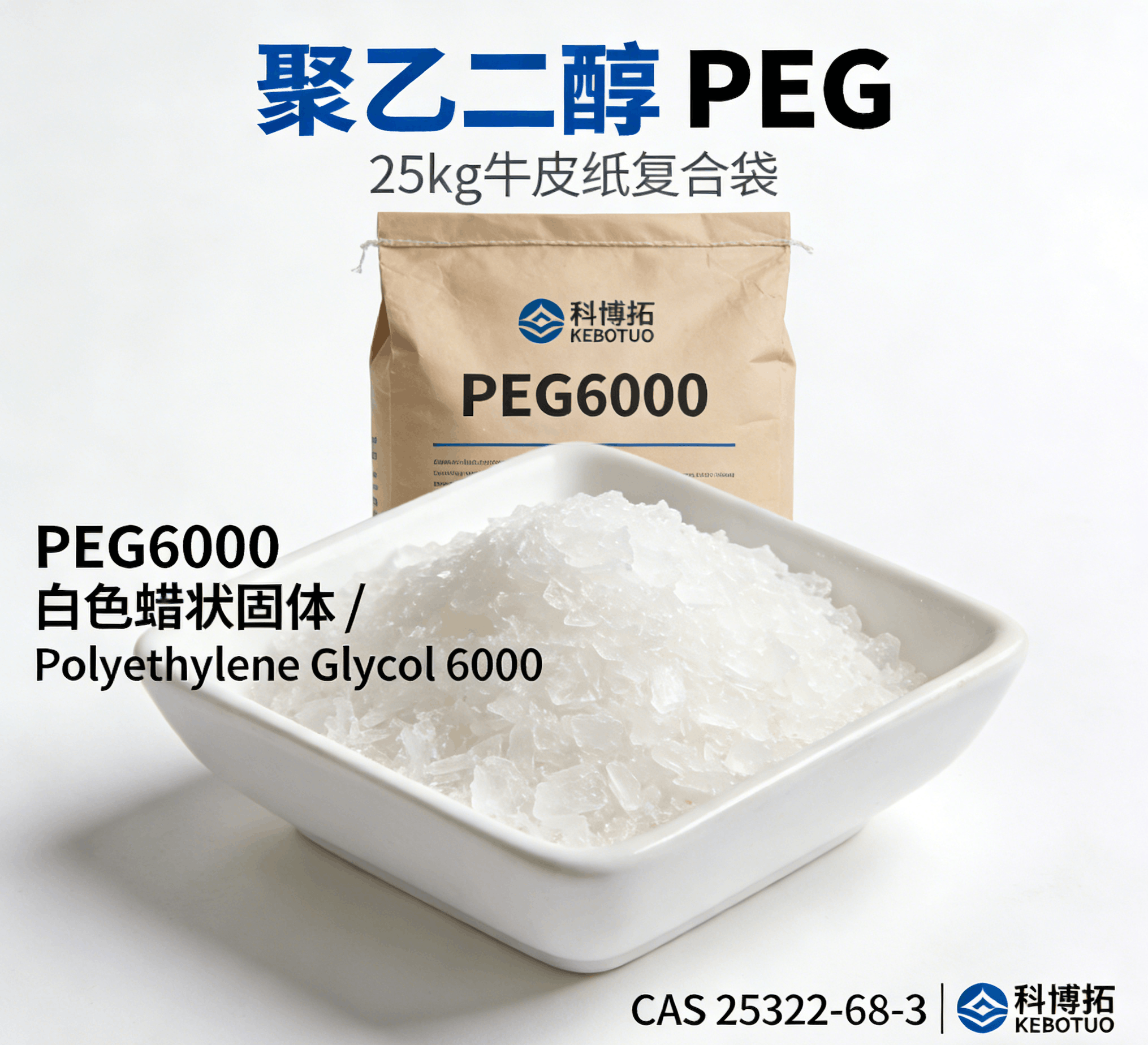
Polyethylene Glycol(PEG)
1,2-Propanediol(PG)
1,2-Propanediol(PG)