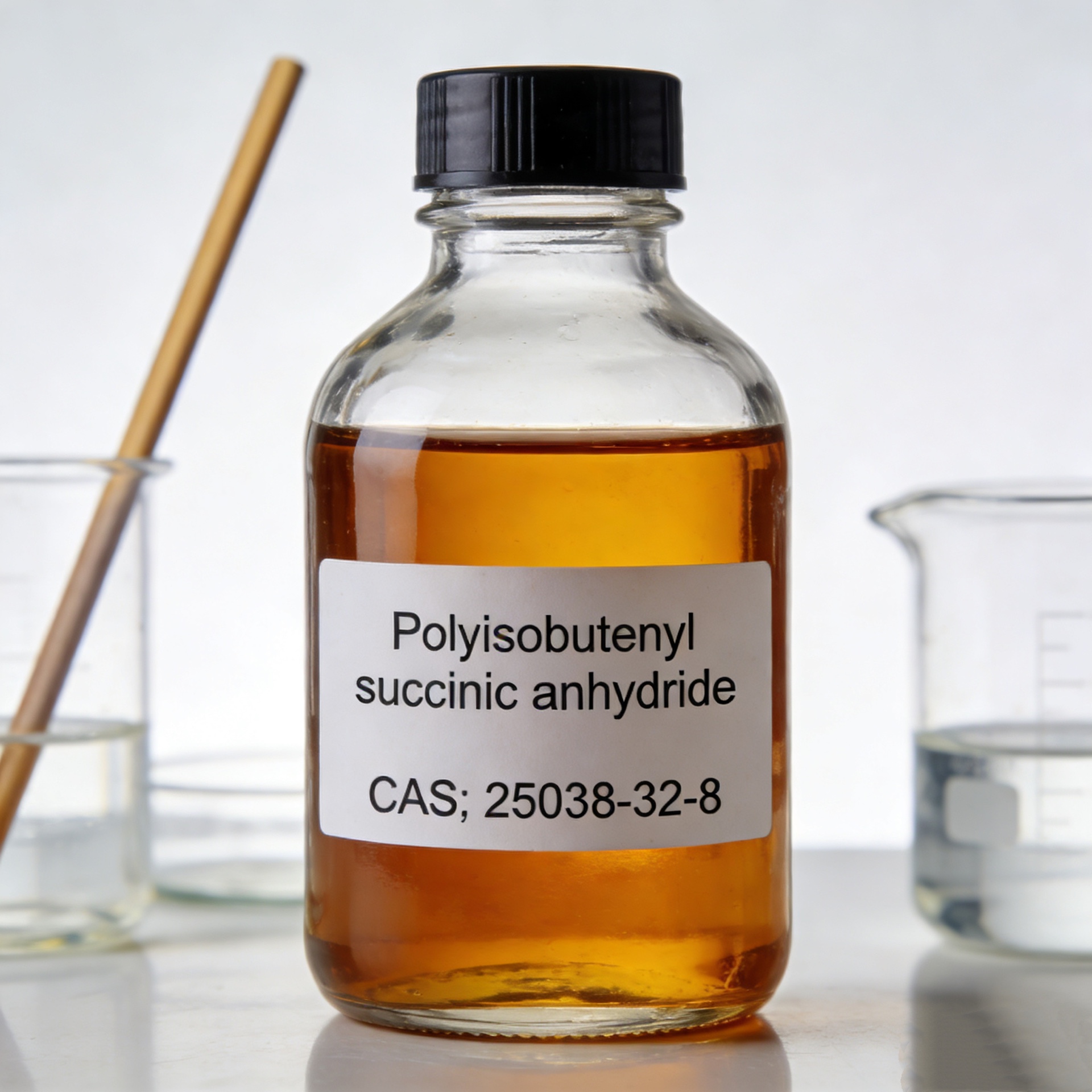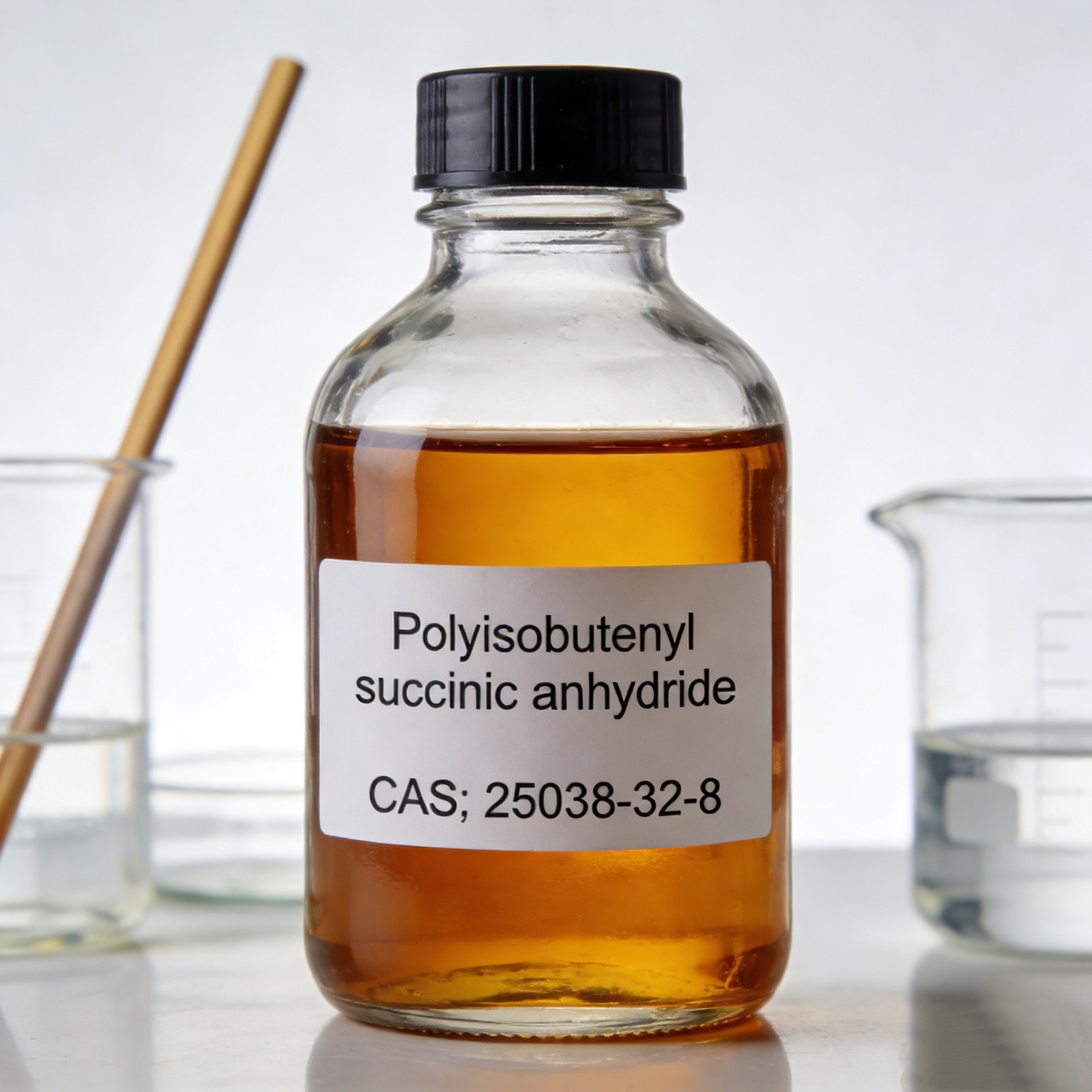
Polyisobutylene succinic anhydride(PIBSA)
CAS number:67762-77-0
Molecular formula:C₈H₁₀O₃
Product Alias:Polyisobutylene Succinic Anhydride(PIBSA)、Polyisobutenyl Succinic Anhydride、PIBSA Monomer、2,5-Furandione, dihydro-, monopolyisobutylene derivs
PIBSA (polyisobutylene succinic anhydride) is an intermediate produced by the thermal addition reaction of highly reactive polyisobutylene and maleic anhydride. Its core value lies in its ability to react with amines, alcohols, ethylene oxide, etc., to generate various functional derivatives. It is widely used in lubricants, fuels, metal processing, emulsion explosives, and other fields, and is a key raw material for high-performance additives.
Core Application Areas and Mechanisms of Action
1. Lubricant Additives (Most Core Application)
* Ashless Dispersant Precursor: Reacts with polyene polyamines to generate polyisobutylene succinimide (PIBSI), inhibiting engine sludge, carbon deposits, and varnish. Suitable for mid-to-high-grade diesel engine oils and internal combustion engine lubricants. Its "ashless" characteristic reduces the harm to aftertreatment systems.
Ashless Rust Inhibitor: Reacts with alcohols, ethylene glycol, etc., to generate ester derivatives, forming a dense protective film on metal surfaces. Used in rust-preventive formulations for engine oils, hydraulic oils, and metalworking fluids.
Detergent Component: Improves the detergency and dispersibility of lubricants, reduces surface tension, and enhances the adhesion and flow properties of oils on metal surfaces.
2. Fuel Additive Intermediates
Gasoline/Diesel Detergent: Reacts with amines to form polyisobutylene amine (PIBA), inhibiting deposits on fuel injectors and intake valves, keeping the fuel system clean, and improving combustion efficiency and emissions performance.
Diesel Dispersant: Prevents the deposition of gum and asphaltenes in fuel, stabilizes fuel performance, and reduces filter clogging and nozzle wear.
3. Emulsion Explosives and Industrial Emulsification
Emulsion Explosive Emulsifier: As a key component of third-generation emulsion explosives, it forms a stable water-in-oil (W/O) emulsion, improving storage stability and explosive performance, suitable for open-pit mining, underground mining, and engineering blasting.
Industrial Emulsified Oil: Replaces sodium petroleum sulfonate, reduces bacterial growth, improves emulsion oil stability, and is used in metalworking fluids, cutting fluids, etc. 4. Metalworking Fluids and Rust Inhibitors
Multifunctional Additive: Combines emulsifying, rust-inhibiting, lubricating, and low-foaming properties; highly adaptable to hard water (stable at 400-600 ppm); exhibits outstanding biological stability; suitable for precision machining of aluminum alloys, magnesium alloys, etc., reducing tool wear and extending fluid life.
Formulation Compatibility: Excellent compatibility with borate esters, amides, and alkanolamines, achieving multiple benefits even at low addition levels (1%-15%).
5. Other Industrial Applications
Industrial Cleaning Agents: Utilizes surface activity and dispersibility to remove oil and deposits from equipment surfaces; suitable for high-pressure cleaning and precision cleaning.
Hydrocarbon Treatment Antifouling Agents: Inhibits scaling in equipment such as dichloroethane (EDC) distillation units, extending operating cycles.
Polymer Modification: Used as a graft monomer to improve the oleophilicity, adhesion, and compatibility of polymers; applicable to coatings, adhesives, etc.
Application field
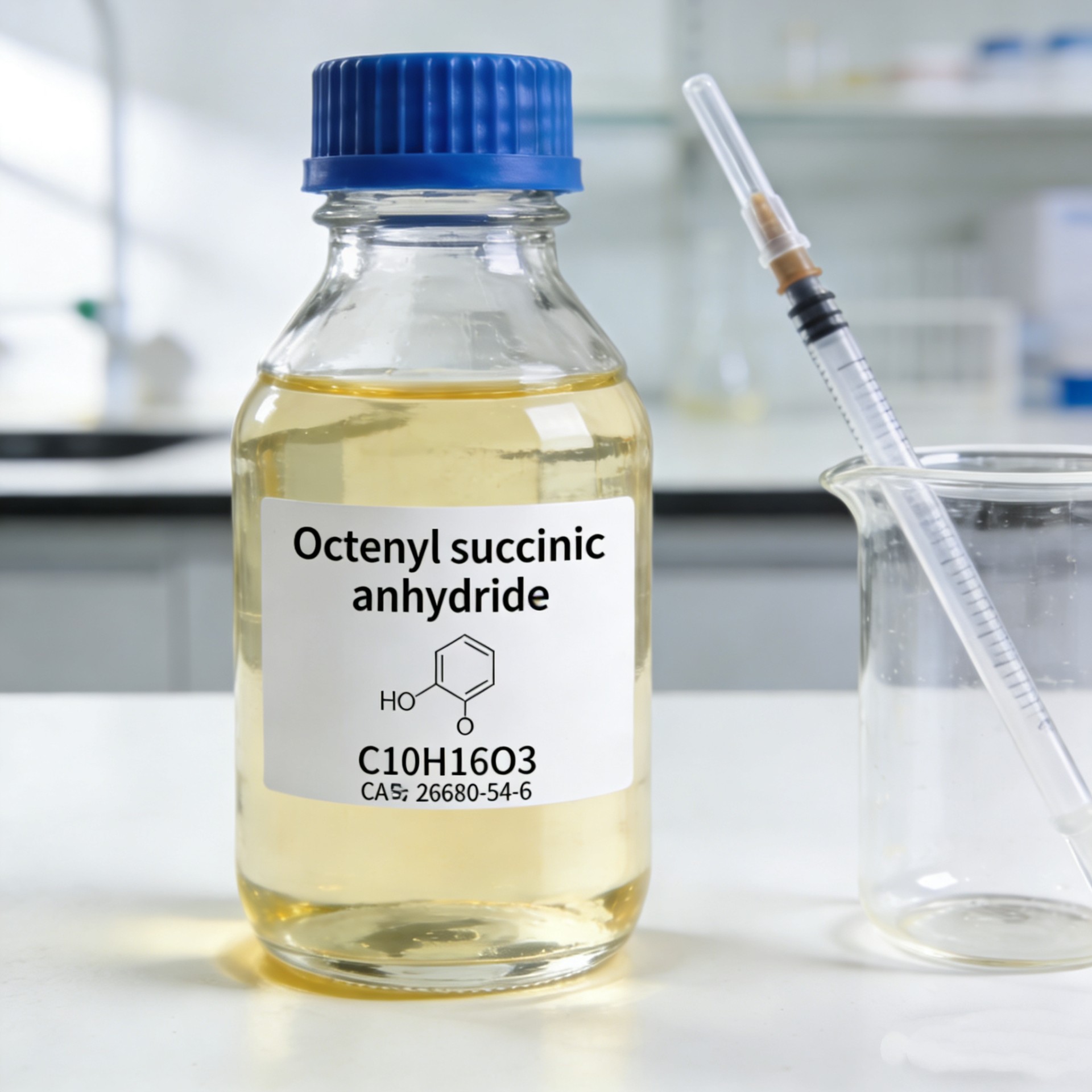
Modified starch E1450 additive Octenyl succinic anhydride
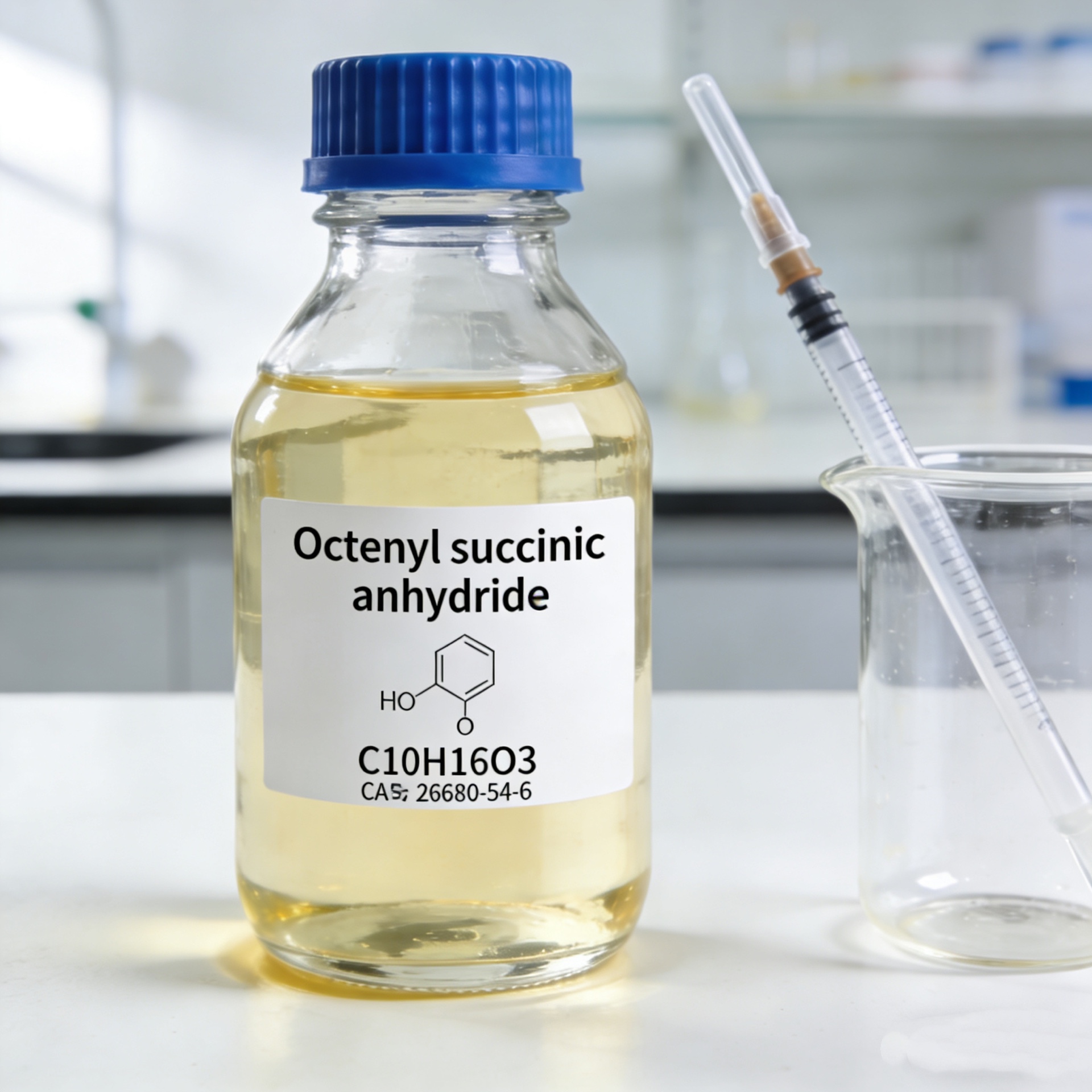
Octenyl Succinic Anhydride (OSA)
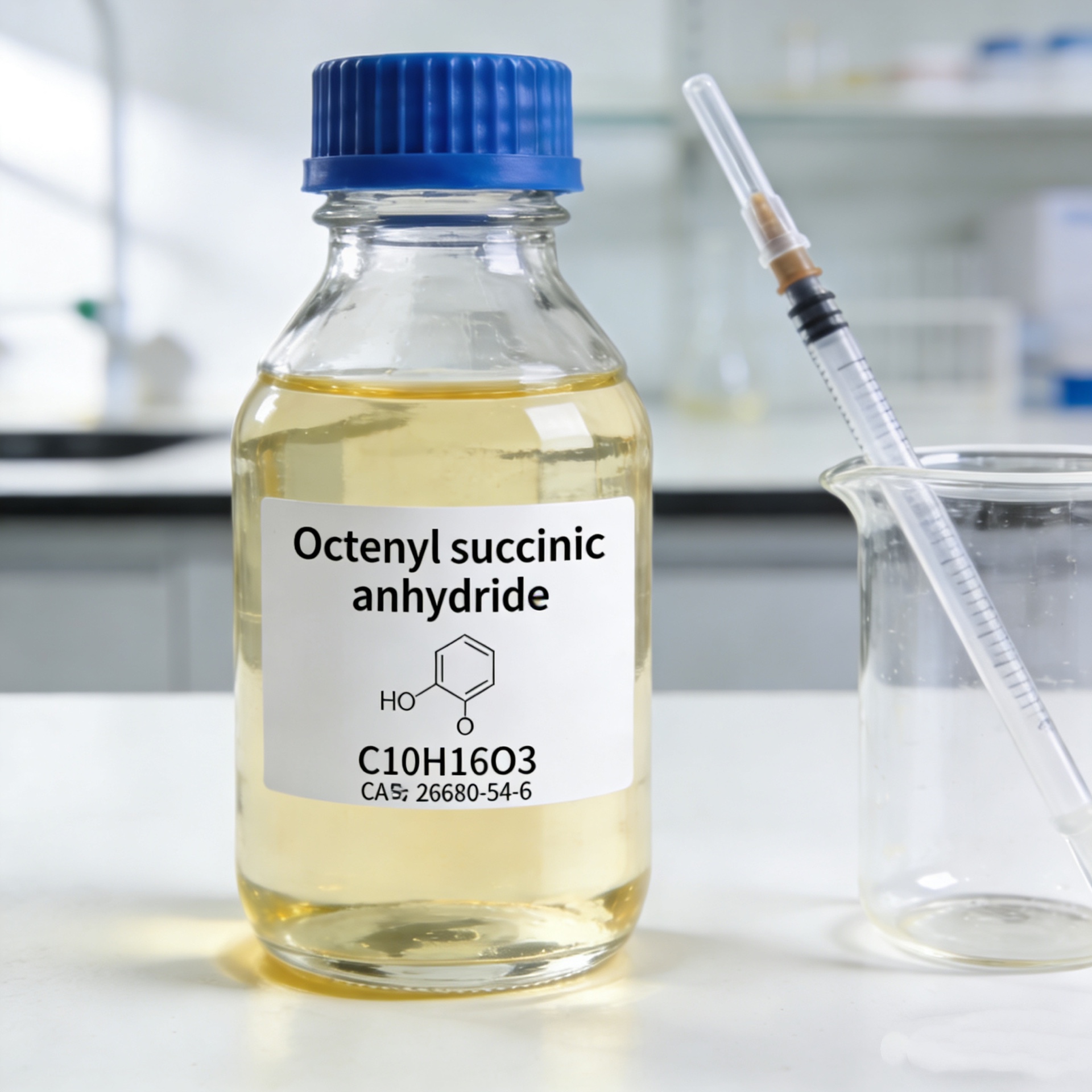
N-Octenyl Succinic Anhydride
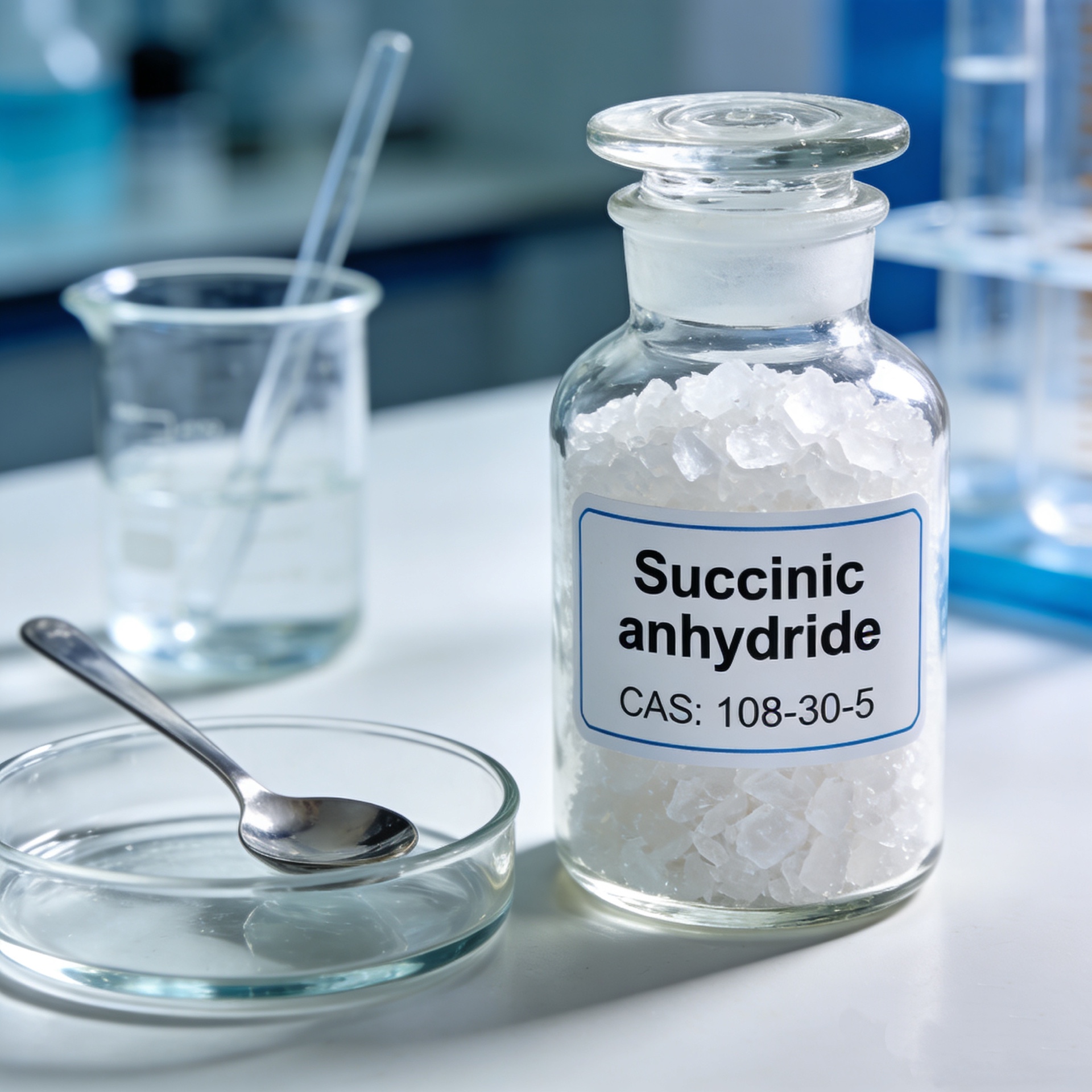
Succinic anhydride
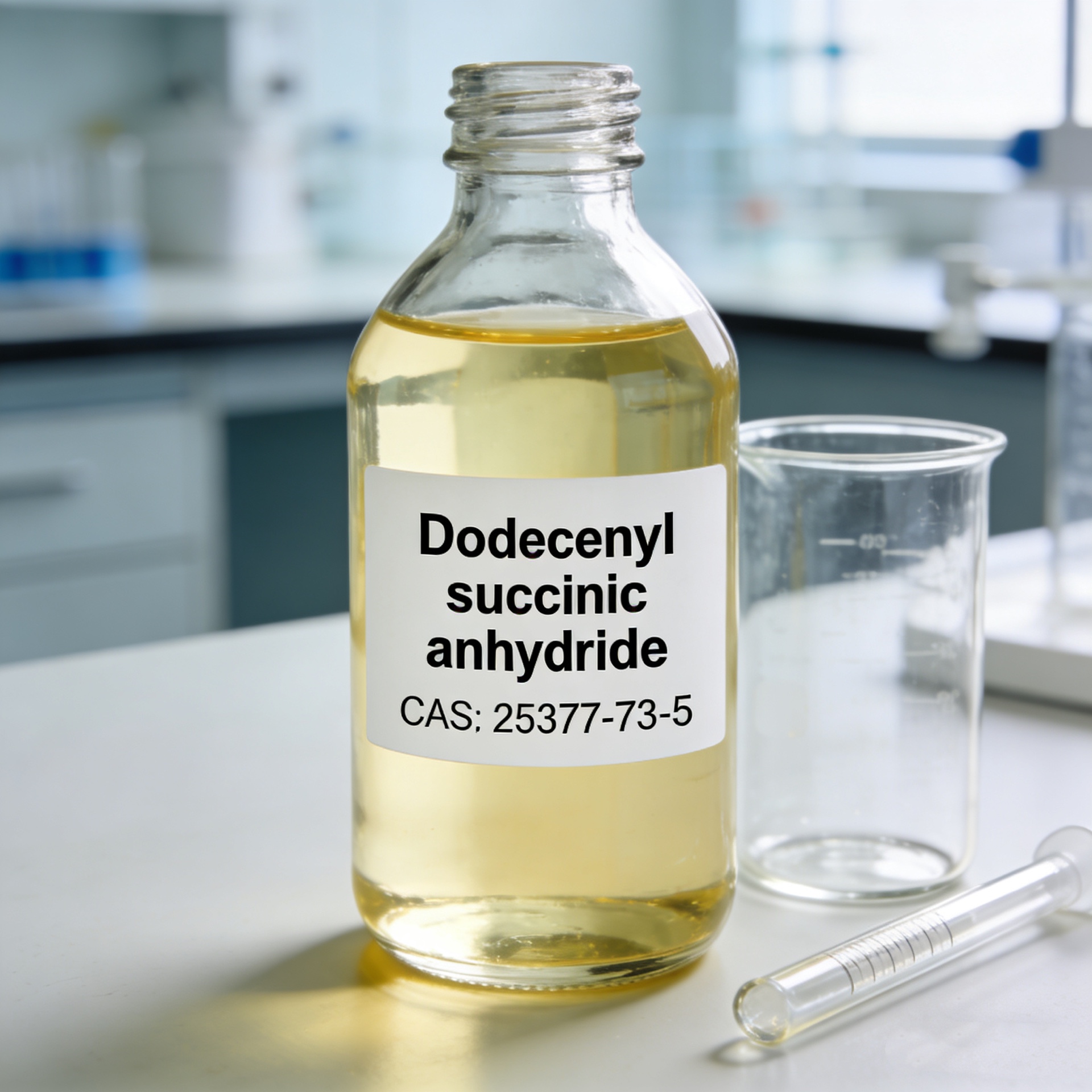
Dodecenylsuccinic anhydride(DDSA)